Digital polis and citizenship: Towards the integration of media literacy in the Latin American curriculum
Elizabeth-Guadalupe Rojas-Estrada, Rosa García-Ruiz, and Ignacio Aguaded
https://doi.org/10.18296/cm.0213
Abstract
This article analyses the integration of media and information literacy (MIL) within the curriculum, starting with the evolution of the terms “media”, “literacy”, and “citizenship” in 85 curricula implemented in 15 Latin American countries. In addition, the article examines the possibilities brought by this integration, according to the perspective of 49 experts. Although the need to broaden the concepts of literacy and citizenship to address media challenges is recognised, this expansion lacks the perspective of empowerment or a specific curricular space. Thus, the explicit integration of the MIL in Uruguay suggests possible venues for this educational policy in the region.
Introduction
The social movements that emerged or gained prominence in Latin America through social media platforms have demonstrated that it is viable to establish new structures and user profiles that promote emancipatory processes in the public digital sphere (Sierra, 2022). Therefore, it is imperative to recognise that the concept of citizenship has evolved alongside the emergence of virtually networked communities, described as the “digital polis” by Chung and Kim (2023). According to their perspective, this context offers opportunities for individuals to engage in discussions on issues pertinent to their lives, to organise themselves, and to actively participate in dynamics that bridge the digital sphere with the physical territory. In this context, media and information literacy (MIL) is configured as a process that involves developing skills and behaviors enabling (future) digital citizens to navigate these new territories safely, responsibly, and ethically (Erdem et al., 2023).
The implications of building citizenship in this direction, according to Morduchowicz (2021), imply providing the students with the tools needed to gather information from different sources, understanding the functioning of the media industry, comprehending the impact of their actions online, protecting their own privacy, collaborating in making decisions, and finding solutions that are beneficial to their community. In order to guarantee that each citizen benefits from this fundamental right, it is necessary for governments to prioritise the integration of MIL in educational systems (UNESCO, 2019). Thus, the aim of this study is to analyse the use of “media”, “literacy”, and “citizenship” as key concepts in the curricula of compulsory education in Latin American countries, and to systematically show their prevalence and changes within the framework of curricular integration of MIL in the region. In this way, we seek to provide a general overview of the configuration of this type of education in curricular texts published in the last few decades, and the possibilities of inclusion detected by experts in this field.
Overview of MIL
Around the world, countries have different approaches for integrating MIL. Countries such as Finland and Turkey have integrated MIL as an elective course, whereas in other countries like Slovakia and Ireland it has been incorporated as a cross-curricular component, predominantly within subjects related to language, arts, and computer science (Rojas-Estrada et al., 2024). Meanwhile, in regions such as Asia (Kajimoto et al., 2020) and Africa (Cunliffe-Jones et al., 2021), MIL has not been explicitly integrated into the curriculum; however, learning outcomes aligned with its principles or dimensions have been identified across various subjects. Despite the opportunities offered by MIL, in Latin American countries there is a lack of political will to institutionalise MIL through systematic projects that seek its incorporation in the curriculum, and high levels of inequalities in terms of access and connectivity (Garro-Rojas, 2020).
Another challenge that is observed is related to the approaches adopted for the conceptualisation of information and communication technologies (ICT) in the education sector, which respond to longstanding imaginaries that have an influence on the perception of educators with regard to media and on decisions in the public sphere (Dussel & Trujillo, 2018). On the one hand, there are those who view media technology as a constant threat to the teaching of values and “high-quality content”. This perspective is in line with the “protectionist approach”, which places emphasis on the regulation of media content to safeguard the audiences (Mateus, 2022). On the other hand, others view technology as a quasi-magical solution to address social issues and a crucial tool for shaping skilled individuals, a perspective associated with the “instrumental approach” that prioritises skill development to overcome the demands from the labour market, as well as the acquisition of devices for the schools (Mateus et al., 2019). Additionally, Potter (2022) highlights the “empowerment approach”, which conceives MIL as a sociocultural practice that seeks to grant individuals with an active role to interpellate the existing power structures within the media sphere.
Likewise, Levis (2022) believes that “apocalyptic” or “optimist” proclamations have contributed to the lack of clarity with which the MIL concept is integrated, especially with respect to what should be taught and how, within this label, exacerbated by the variety of existing proposals to designate this field in the region. Despite the increasing acceptance of MIL because of its alignment with previously developed projects, and the efforts led by UNESCO (Trejo, 2017), the notion of literacy has been historically associated with the ability to read and write printed texts (Claro et al., 2021). Thus, the incorporation of the dynamics inherent to the current digital society adds an additional level of complexity to the task of defining and characterising citizenship, as well as its posterior translation to the curricular texts.
Curricular integration of MIL in Latin America: The expert’s view
According to Panda et al. (2022), it is necessary for MIL legislation to overcome formal discourses and promote a series of policies with actions that involve the collaboration of different interest groups. Among these actors, media-education experts stand out as their contributions are fundamental for configuring the processes of MIL integration, given that they encompass many factors, from the provision of substantive data to assess its state to the implementation of large-scale projects (Rojas-Estrada et al., 2024).
In the case of Latin America, since the start of the century, different researchers have started a project that involved the creation of country reports and conducting surveys to better understand the perception of the experts with respect to the curricular inclusion of media (De-Fontcuberta, 2005). In this sense, the contributions from the 26 scholars surveyed revealed the importance of implementing curricular frameworks that integrate this subject from a critical perspective. Also, these experts highlighted, as the main challenges, the multiple notions utilised to designate this field of study, and the lack of teachers’ training (Galvez, 2005).
On its part, Durán (2016) examined the opinions of 44 experts from 12 Latin American countries. It revealed that the region lacks public entities committed to the active promotion of MIL. Also, it emphasised the contributions of civil society to counteract the lack of institutional support in this area and pointed out that media-education courses served as isolated initiatives. Nevertheless, an exploration has not been made into the possibilities of introducing MIL into the curriculum of compulsory education, or the identification of the actions needed to drive this process.
Methodology
The present study is descriptive in nature, as its intention is to characterise a specific phenomenon, highlighting its most distinctive features (Cohen & Gómez, 2019). To achieve this, a corpus of analysis was compiled after the application of three inclusion criteria: 1) national compulsory education curricula; 2) published between 1990 and April 2023; 3) from any Latin American country, as long as it was possible to compile the necessary material to conduct a comparative analysis. The document search took place in June 2023, through an exploration of digital libraries and archives from the ministries of education of each country. It must be noted that many difficulties were experienced during this phase, which led to the exclusion of some countries due to incomplete material, the lack of access to digital versions of the curricula, or the lack of updated curricula. After this process, a sample of 85 documents was obtained, published in Argentina, Bolivia, Brazil, Chile, Colombia, Costa Rica, Ecuador, El Salvador, Guatemala, Mexico, Paraguay, Peru, Dominican Republic, Uruguay, and Venezuela.
The decision to study Latin American countries stems from their shared theoretical foundations in educommunication, influenced by academics such as Paulo Freire and Mario Kaplún, who emphasise education and communication as liberating tools that empower individuals to transform their social and political realities (De-Oliveira-Soares, 2020). With this broad perspective, the aim is to facilitate the identification of trends and approaches that promote more effective and inclusive educational policies in the region.
To interpret the data, the article utilised content analysis as outlined by Guix (2008).
i.Analysis. The curricula were processed with the Atlas.ti software as primary documents, classified according to country and year of publication. During this phase, a coding system was developed to ease the identification and classification of the data. Likewise, three readings of the material were performed. The first was a familiarisation reading; the second implied the search of a series of key terms to detect the specific content (e.g., “communication media”, “technology”, “information”); and the third consisted of the complete reading of the unit to detect implicit allusions.
ii.Interpretation of the results. Lastly, a descriptive analysis was performed with the results found, in which the prevalence and changes of the key concepts addressed were identified.
To enrich the analysis and provide additional contextual insights that may not have been captured in the initial analysis of the documents, a survey directed to media-education experts was administered. It was composed of nine open-ended and mixed questions grouped into three dimensions (Table 1). This instrument was evaluated by 10 experts—from Chile, Colombia, Brazil, and Mexico—through the adaptation of a questionnaire developed by Coll and Engel (2008) which assesses adequacy and pertinence. The application of Aiken’s V (Penfield & Giacobbi, 2004) to these evaluations revealed a coefficient of 1, indicating a high level of agreement between these evaluators with respect to the suitability of the instrument.
The selection of participants was performed through intentional sampling, which included individuals affiliated to higher education institutions in Latin America, as well as the Red Interuniversitaria Euroamericana de Investigación en Competencias Mediáticas para la Ciudadanía (Alfamed Network), who were invited via email and social media platforms to complete the online survey. The instrument was available from 6 July to 21 August 2023 and resulted in the participation of 49 experts from Argentina, Bolivia, Brazil, Chile, Colombia, Costa Rica, Cuba, Ecuador, El Salvador, Mexico, Paraguay, Peru, and Venezuela. To analyse the answers, the dataset was downloaded from Google Forms and analysed with Atlas.ti, through the creation of relevant categories and codes based on the previously examined dimensions in the curricular texts (Table 1). This enabled the direct comparison of both datasets, the identification of patterns and trends, and a coherent interpretation of the qualitative perspectives obtained from the questionnaire, while also integrating quantitative analysis of the curriculum documents.
Table 1. Dimensions and questions of the survey
| Dimension | Research questions |
| Use of concept and type of citizen | P1. Considering the use of multiple concepts to designate the education/communication interface in Latin American countries (such as educommunication, media education, education in media), how would you define the concept of media and information literacy (MIL)? |
| P2. In your opinion, what type of citizen is intended to be formed with MIL? |
| Presence of media in the compulsory education curriculum | P3. Under what approach or vision (protective, instrumental, critical, empowerment, or other) are media integrated into compulsory education in your country? |
| P4. In the compulsory education of my country, media are considered as... a) |
| Objects of study; b) Sources of information; c) Technologies; d) Didactic resources; e) Tools for communication-expression; e) Parallel school, f) Other |
| Possibilities and challenges of integration | P5. Do you believe it is necessary to integrate MIL into the school curriculum? |
| Why? |
| P6. Should it be taught as an independent subject, associated with a specific subject, as a cross-cutting component, or as an extracurricular activity? |
| P7. In your opinion, at what educational level should MIL be integrated? |
| P8. What do you consider to be the most significant challenges hindering the integration of MIL in compulsory education in your country? |
| P9. If you had all the resources available to manage the integration of MIL into compulsory education in your country, what three actions would you start with? |
The graphics were processed with the Tableau software and, to ensure transparency, a document has been uploaded to Figshare (https://figshare.com/s/6de3e3154dc2ab4275cc) which contains supplementary material including the sample, coding system, and data.
Results
Type of citizen
1990–2009. At the curricular level, the countries analysed took on the task of facing the socioeconomic challenges inherent to globalisation. During the initial decades analysed, a predominant view was observed in the study plans with respect to the profile of the citizen they intend to educate: individuals with the ability to adapt to the change in civilisation and who have a feeling of “pride” towards their national identity, based on an ethical aspect. Nevertheless, the incorporation of subjects and axes focused on the field of informatics and technological education was noted, whose objectives included three competences fundamental for the development of (future) citizens: (1) mastery of ICT; (2) an understanding of how the ICTs affect the social and economic sphere; and (3) the management of information through processors.
This inclusion was justified based on a series of effects associated with the transformation of the media ecosystem and the technological advances that continue to nourish the need to reform the curricula: (1) the existing tension between the local and global spheres; (2) the need to adapt the school content to the demands of the labour market to train workers qualified as technology users; and (3) the massive acceleration of information.
2010–2019. A transition was observed starting in this decade, as most of the documents recognised that the society described had experienced alterations owing to specific phenomena, such as post-truth, disinformation, and cyberbullying, and the change in the role of students as active protagonists in digital culture (e.g., MEC, 2018). Therefore, aside from the technical use and efficient processing of the messages, the shaping of citizens included a new set of competences: (1) the critical analysis of the information received, focused on verifying its validity; (2) the creative generation of messages through virtual tools; and (3) the ethical use of the ICT.
2020–2023. After the COVID-19 pandemic, the social disruptions experienced were included as a stimulus for reconsidering the relationship between technologies and society. In this sense, it is interesting that the curricular initiatives implemented in Colombia (MEN, 2022), El Salvador (MINED, 2022), Mexico (SEP, 2022), and Uruguay (ANEP, 2022) assumed that learners are subjects whose rights and obligations transcend towards digital environments. These documents have added the term “digital citizenship”.
Nevertheless, according to the perspective of the experts, MIL is a necessary education policy that, in civil terms, goes beyond political involvement, as it seeks to train critical, autonomous, and participative citizens, who aside from the instrumental sphere: (1) understand their role as consumers and participants in the sociodigital sphere; (2) act responsibly in their digital interactions; and (3) proactively adapt to technological changes. At the same time, two researchers considered it to be extremely important for citizens to adopt a role as an “agent of change” or “transforming entity”, generating their own discourses in order to guide and favour the construction of the common good.
Reach of the literacy concept
1990–1999. In this decade, the decrease in the illiteracy rate was positioned as one of the priorities in most of the programmes examined. Hence, the notion of literacy was mainly limited to the acquisition of reading and writing skills, with a focus on its effective application (functional literacy) and in its development through life (continuous literacy). However, to promote the utilitarian knowledge on the functions and limitations of technological advances, specific blocks and curricular areas were integrated under the titles of technological education, technology, or information and communication technologies. Following Albarello (2014), these types of decisions affected the interaction between the ICT and education, when restricting their reach to the use of software.
2000–2009. In this decade, the absence of the term “literacy” was observed in most of the documents, at the same time that education initiatives centred on Written literacy and Scientific literacy persist. Nevertheless, in Colombia, the designation of Technological literacy was introduced to describe the provision of tools destined to resolve social problems through the use of technology (MEN, 2008).
2010–2019. This period emerged as a stage in which the curricular texts began to broaden the reach of the concept of literacy towards emerging communication realities:
i.Digital literacy. In countries such as Argentina (ME, 2019), Chile (MINEDUC, 2019), and Costa Rica (MEP, 2015), the term was introduced to promote the development of computational thinking, the active participation in diverse virtual networks, and the ethical use of the media.
ii.New literacy. The Curricular Design Primary Level (MINERD, 2016) from the Dominican Republic incorporated this umbrella term to encompass information, visual, and media literacy, as a response to the intersection between written and digital media.
iii.Multiliteracies. Brazil (MEC, 2018) and Uruguay (ANEP, 2016) adopted this movement, which emphasises the need to evolve from printed or written media, and to promote mastery of the digital culture, different languages, and literacies.
In the remaining countries, specific areas and objectives were assigned to address the critical evaluation of the information, as well as the understanding of the social and ethical implications associated with the use of digital media.
2020–2023. Among the curricular proposals published in this decade, the explicit incorporation of MIL in the curriculum of Uruguay, following the conceptual proposal by UNESCO, is underlined (ANEP, 2022). More specifically, it was integrated in the curricular unit of “Communication and Society”, which was taught in ninth grade and includes the promotion of communication and linguistic skills, with an emphasis in media education. On its part, the last proposal designed in Mexico mentioned Digital literacy to address the inequality at the level of digital skills among the students (SEP, 2022). In addition, the concept of digital culture is introduced to emphasise the importance of teaching how to process content from a critical perspective. However, it is important to note that both concepts were not formulated as focal points or fields of training, which dilutes its presence.
Throughout the four decades analysed, the curricular documents from El Salvador, Guatemala, Ecuador, Bolivia, and Venezuela did not contemplate the broadening of the literacy act beyond its association with reading and writing. Nevertheless, in the last programmes from El Salvador, the “Thematic axis: Communication media” was integrated into the areas of language, in order to understand the functions of the traditional and digital media (MEN, 2022).
In line with the perspectives of the experts, MIL is shaped as an “educational process”, “a movement”, or “a theoretical–methodological proposal”, whose reach encompasses different aspects: (1) it empowers individuals to make fundamental decisions in a media environment that is becoming ever more so complex and diverse; and (2) it implies the development of personal and collective competencies that seek to shape critical views and the creative production of contents in different languages and formats. Although most of the responses agree with the conceptual proposal from UNESCO, it is necessary to highlight that four Brazilian experts considered that it was more appropriate to use the term “educommunication”, as they argued that this designation rose from the epistemological influence from the subcontinent, and reflects the social battles that occurred in the 1970s.
To examine the changes and prevalence with respect to the reach of the literacy concept according to country, an interactive map has been created (Figure 1), which is housed in the following link: https://bit.ly/3RxmAR7.
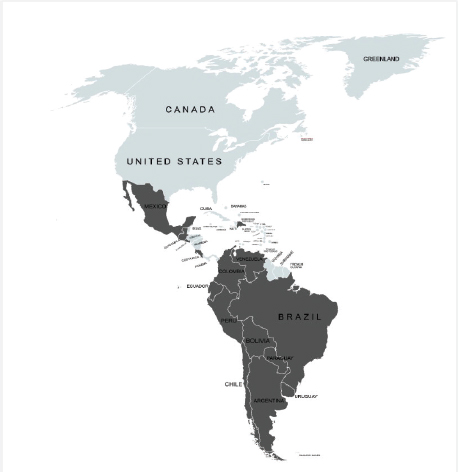
Figure 1. Map of the prevalence and changes in the reach of the concept of literacy
Contemplation of the media
1990–1999. As shown in Figure 2, most of the curricula conceived communication media as technological devices, sources of information, and pedagogic tools. However, the protectionist approach adopted by the texts from Peru (MINEDU, 1999), Brazil (MEC, 1998), and Venezuela (ME, 1997) are of interest as they contemplate media as: (1) producers of alienating contents; (2) responsible for the crisis related with values and the decrease in analytical skills; and (3) instruments of cultural appropriation.
2000–2019. In this period, a significant transition took place in this category. Together with the triad of technologies–sources of information–didactic resources, the media were given the role as communication tools and entities that bear an educational function, along with the Church and family. In parallel, the curricular texts from Brazil, Guatemala, Argentina, Colombia, and Costa Rica began to consider other effects derived from the manners of socialisation introduced by the ICT. Thus, they were re-interpreted as message mediums that construct representations of the world and specific social groups, such as natives and women. Likewise, their contribution to the strengthening of democratic processes was recognised (e.g., MEP, 2005).
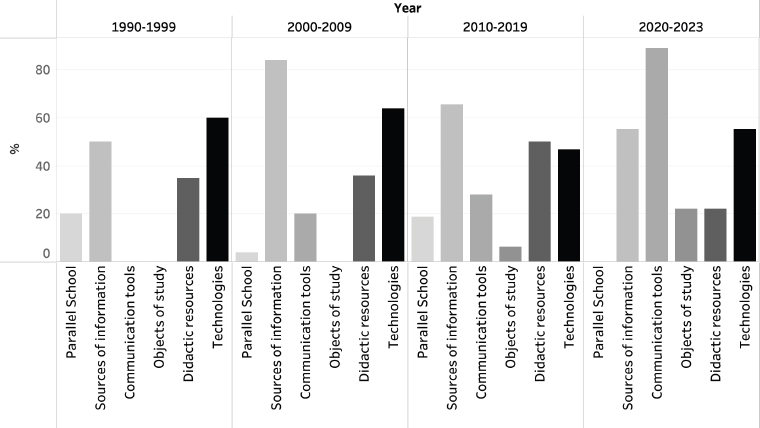
Figure 2. Evolution of the use of the concept of media
2020–2023. In the last few years, the predominant concepts of the media have been centred on their function as tools that ease the act of communication in an effective and creative manner. Nevertheless, the curricular proposal from Mexico (SEP, 2022) stands out, as it understands the media as creators of aesthetic experiences and emotional experiences that can be linked to other knowledge.
On the other hand, it was observed that, in the last proposal from Mexico (SEP, 2022), Argentina (ME, 2019), Chile (MINEDUC, 2019), and Brazil (MEC, 2018), a displacement of the ICT concept was manifested towards a broader concept of “digital culture”, which incorporates AI and algorithms. More specifically, it was found that Argentina, Uruguay, and Colombia had integrated the evaluation of its applications and functions in their objectives or curricular areas.
The evolution of the approaches utilised to conceive the media is shown in Figure 3. The instrumental approach that reduces ICT as devices is still present and has an effect on the projects identified, whose objectives are grouped into two categories: (1) the installation and improvement of technological infrastructure; and (2) the use of media as support for the teaching and learning process. Although its presence is less predominant, as compared to other perspectives, the protectionist approach is still maintained, which tends to consider the media as possible negative influences for the values and psychological wellbeing of society (e.g., MINEDU, 2023).
Likewise, the growth of the critical approach is significant, which has allowed re-configuring the need to analyse the media content in the education sphere, encouraging their treatment as objects of study to inquire about what information is told and how this is done. However, this approach omits the reflections on property and the manners of financing of media industries. Likewise, the student’s ability to assume control of his or her media experience is ignored, one of the fundamental objectives of the empowerment approach, which was not present throughout the decades analysed.
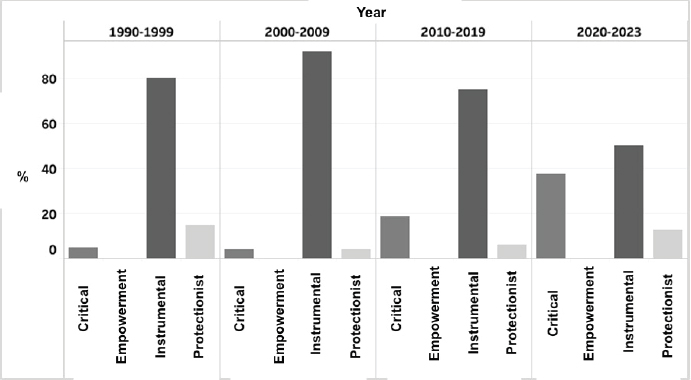
Figure 3. Evolution of the approaches used to conceive the media
The experts coincided in that the most utilised perspective was the instrumental one, which represented 78.3% of the answers. In second place we find the protectionist approach, with 10.20%, while the group of experts considered that media were also addressed from critical (8.4%) and empowerment (7.2%) approaches, although less frequently. Two of these experts indicated that these perspectives were more common at the level of university, especially in communication or journalism-related careers. In addition, 6.1% of the researchers indicated that the media were treated differentially in the curriculum or manifested not knowing the answer.
With respect to the perception of communication media in the curricula, the scholars identified that these met many of the categories established, with the following underlined: sources of information (57.6%); didactic resources (42.2%); technologies and communication/expression tools (both mentioned by 39.4% of those surveyed). Nevertheless, four researchers from Peru, Costa Rica, and Argentina (12.4%) considered that the compulsory education curricula incorporated media as an object of study. In this context, a researcher underlined the importance of integrating, into teacher-training programmes, content blocks destined to teach what is truly understood by this conception of the media, which the researcher said should not be confused with “a simple exhibition of cinematographic productions or the reading of news in the classroom”.
The analysis of curricular documents showed that learning about ICT was framed within an interdisciplinary process, which coincided with the experts’ opinions, who considered that MIL should be taught as a cross-cutting subject (80.6%), followed by independent subject categories (14.2%), and as extracurricular activities (5.2%). However, most of the experts (90.9%) emphasised that, independently of the type of integration adopted, the teaching of MIL must be conducted gradually in all levels of education.
Possibilities and challenges of integration
Of the total, 40% of the curricular texts included challenges associated with the incorporation of media and technologies in compulsory education. In first place, these highlight the existing inequalities with respect to access to ICT and the services associated with the virtual world. In spite of this, the Parámetros Curriculares Nacionales (National Curricular Parameters) (MEC, 1998) from Brazil, and the latest curricular proposal from Mexico (SEP, 2022) considered that the challenge lies in the scarce critical and procedural capacity of the students to adequately address the ICT. In second place, the texts recognised that the real difficulty of incorporating subjects related with emergent and socially relevant themes resides in the risk of taking on dynamics that saturate the curriculum (e.g., MINEDUC, 2009).
In contrast with the documents analysed, the specialists proposed three considerations: (1) the most significant challenge that hinders the integration of MIL is the lack of teacher training: (2) they highlight that both educators and education authorities show a lack of knowledge with respect to the meaning and the implications of MIL; (3) they point out the resistance to change and the lack of legislative will to bring the education system up to date. A female researcher believed that the main challenge was the lack of local entities and regional organisations that actively promote MIL, provide recommendations, and provide materials.
With respect to three high-priority actions that the experts considered fundamental for the curricular integration of MIL in their country, the most mentioned were: (1) to establish a teacher’s training programme on MIL, with workshops and resources adapted to the needs of educators in different levels of education; (2) to articulate study plans and public policies focused on creating an intersectorial structure that nourishes the integration of MIL; and (3) to improve the technological infrastructure, as well as the access to equipment, digital resources, and internet connectivity at schools.
Conclusions
One of the main contributions of this study was the provision of a comprehensive view of the persistent factors and changes concerning the use of the concepts of media, literacy, and citizenship in the study plans of 15 Latin American countries, particularly in the context of curricular integration of MIL. Some findings are highlighted below.
i. Contemplation of the media. The extreme views related to the effects of the media on society contributed towards making its incorporation difficult in the curricular texts analysed. Although the most recent proposals made an effort to overcome the protectionist approach, the absence of a discourse that encourages teachers to marginalise inoculating practices and logic remains. Along with this, in agreement with the analysis and proposals from the experts, an instrumental approach persists, which reduces the educational potential of the MIL, as it exclusively focuses on practical aspects.
On the other hand, the treatment received by AI and the algorithms in current curricular proposals is notable, which leans towards the understanding of their applications and functionalities, in detriment to its critical approach. Also, despite the advances made in the incorporation of specific media challenges in the curriculum, until the present, none of the initiatives address the creation of community media or the emergent phenomenon of the metaverse. The omission of these inclusions suggests that its ability to enrich the educational experiences and to promote a more participative and creative approach in the digital world are not fully contemplated.
ii. Reach of the literacy concept. Since the start of the second decade of the 21st century, the study plans have shown deeper understanding of literacy in the media context. Nevertheless, it is frequent for its expansion to be presented as an educational innovation or as a conceptual resource to justify curricular progress, without it translating into specific pedagogic practices or its integration as an articulating axis, education field, or class subject. Faced with this scenario, the pioneering action of including MIL in the curriculum of Uruguay opens up opportunities for the other countries in the region to consider adopting similar approaches.
iii. Type of citizen. Despite the recent curricular proposals recognising the broadening of the rights and obligations of citizens in the digital environment, it is important to highlight that this integration takes place from a limited perspective; this is especially the case if we consider that participation in the digital society encompasses a wider spectrum than simple political and civil behaviors. As Crovi (2022) points out, this participation implies recognising the “confrontation between citizens and technological power”.
Faced with this scenario, the questions by David Buckingham become relevant: “Governments may claim to want active, participatory citizens, but do they really? To what extent is a broader conception of digital citizenship education likely to be implemented?” (Buckingham, 2023, p. 250). Although it is undeniable that authorities can show a certain reticence for actively supporting citizen participation and empowerment through MIL, it is also evident that the need to train informed and critical citizens is gaining recognition in the region.
In particular, the so-called media-education specialists, considered by Friedman et al. (2021) as the most important link for integration processes, are found playing a significant role when shaping communities that promote the understanding of MIL. For this, in order to shift from rhetoric to action, and to turn the curricular contents analysed into an important part of the culture that nourishes these plans, it is necessary to provide a space and to shift attention towards the experiences and initiatives conceived by the experts. In this sense, the 49 researchers consulted emphasised the potential of MIL to train digital citizens in their respective countries. To this respect, they advocate for a gradual and cross-cutting integration of these competences at all levels of education, a strategy that must be accompanied by political will, and reinforced through an intersectorial structure.
Lastly, the limitation of the study must be highlighted in terms of geographical representation, given the lack of access to more curricular materials. Also, it is important to point out the lack of a detailed analysis on the theoretical models utilised in the curricula to address the key concepts that were the object of study in the present research. In addition, a recommendation is given for future approaches to include the perspective of the experts with respect to the citizen initiatives and public policies that could contribute towards the incorporation of MIL in the education system, as well as key actors that work to achieve this objective.
Acknowledgements
This work is conducted with the support of the R + D Project “Alfabetización mediática y digital en jóvenes y adolescentes: Diagnóstico y estrategias de innovación educativa para prevenir riesgos y fomentar buenas prácticas en la Red,” financed by the Consejería de Universidades, Igualdad, Cultura y Deporte of the Gobierno de Cantabria, and the R + D Project “Research, design and implementation of a curricular proposal for teacher training in media literacy in the Euro-American context” under the Call for Knowledge Generation Projects 2023 (code PID2023-146288NB-I00) of the Ministry of Science, Innovation, and Universities of Spain. E. G. Rojas-Estrada (CVU 1229049) is thankful to Conahcyt (Mexico) for the scholarship granted under the “Doctorados en Ciencias y Humanidades en el Extranjero 2022” call.
References
Administración Nacional de Educación Pública [ANEP]. (2016). Documento base de análisis curricular. Author.
Administración Nacional de Educación Pública [ANEP]. (2022). Marco curricular nacional. Author.
Albarello, F. (2014). Acceso y uso de las pantallas en la escuela media: Hacia una reformulación del acto de la lectura. In M. Pini, S. Maris-Más, J. Gorostiaga, C. Tello, & G. Asprella (Eds.), La secundaria ¿modelo en (re)construcción? (pp. 223–244). Editorial Aique.
Buckingham, D. (2023). Media education and citizenship in neoliberal times. In B. S. De-Abreu (Ed.), Media literacy, equity and justice (pp. 243–251). Routledge. https://doi.org/10.4324/9781003175599-13
Chung, H., & Kim, K. (2023). Introduction: The digital polis and its practices—beyond gated communities. In K. Kim., & H. Chung (Eds.), Gated communities and the digital polis. Advances in 21st century human settlements (pp. 1–15). Springer. https://doi.org/10.1007/978-981-19-9685-6_1
Claro, M., Santana, L. E., Alfaro, A., & Rosemberg, F. (2021). Ciudadanía digital en América Latina. Revisión conceptual de iniciativas. Comisión Económica para América Latina y el Caribe.
Cohen, N., & Gómez, G. (2019). Metodología de la investigación, ¿para qué? La producción de los datos y los diseños. Teseo. https://doi.org/10.2307/j.ctvxcrxxz
Coll, C., & Engel, A. (2008). La calidad de los materiales educativos multimedia: Dimensiones, indicadores y pautas para su análisis y valoración. In E. Barberà, T. Mauri, J. Onrubia, & G. Aguado (Eds.), Cómo valorar la calidad de la enseñanza basada en las TIC: pautas e instrumentos de análisis (pp. 63–97). Graó.
Crovi, D. (2022). Ciudadanía digital inclusiva. Una confrontación desigual y situada. In R. Cabello & S. Lago-Martínez (Eds.), Cultura, ciudadanías y educación en el entorno digital (pp. 21–33). CLACSO.
Cunliffe-Jones, P., Gaye, S., Gichunge, W., Onumah, C., Pretorius, C., & Schifrin, A. (2021). Misinformation policy in Sub-Saharan Africa: From laws and regulations to media literacy. University of Westminster Press. https://doi.org/10.16997/book53
De-Fontcuberta, M. (2005). Hacia un currículum iberoamericano de educación en comunicación. Comunicar, 24, 10–12. https://www.redalyc.org/pdf/158/15802402.pdf
De-Oliveira-Soares, I. (2020). La educomunicación en Latinoamérica. Claves del pasado, retos del futuro. In I. Aguaded & A. Vizcaíno-Verdú (Eds.), Redes sociales y ciudadanía: Hacia un mundo ciberconectado y empoderado (pp. 19–26). Grupo Comunicar.
Durán, T. (2016). AMI en Latinoamérica. Aproximación, análisis y propuesta de medición sobre el contexto de la alfabetización mediática informacional en América Latina. Doctoral thesis, Universidad Autónoma de Barcelona. https://www.tdx.cat/handle/10803/399344
Dussel, I., & Trujillo, B. (2018). ¿Nuevas formas de enseñar y aprender? Las posibilidades en conflicto de las tecnologías digitales en la escuela, Perfiles Educativos, 40, 142–178. https://doi.org/10.22201/iisue.24486167e.2018.especial.59182
Erdem, C., Oruç, E., Atar, C., & Bağcı, H. (2023). The mediating effect of digital literacy in the relationship between media literacy and digital citizenship. Education and Information Technologies, 28(5), 4875–4891. https://doi.org/10.1007/s10639-022-11354-4
Friedman, A., Turin, O., & Melamed, O. (2021). Media education in the Czech Republic. Vision and disconnection. In D. Frau-Meigs, S. Kotilainen, M. Pathak-Shelat, M. Hoechsmann, & S. Poyntz (Eds.), The handbook of media education research (pp. 267–273). Wiley Blackwell.
Galvez, M. (2005). Media education in Iberoamerica: The vision of the experts. Comunicar, 24, 35–40. https://doi.org/10.3916/c24-2005-06
Garro-Rojas, L. (2020). Alfabetización mediática en América Latina. Revisión de literatura: Temas y experiencias. Revista Educación, 44(1), 502–514. https://doi.org/10.15517/revedu.v44i1.37708
Guix, J. (2008). El análisis de contenidos: ¿qué nos están diciendo? Revista de Calidad Asistencial, 23(1), 26–30. https://doi.org/10.1016/s1134-282x(08)70464-0
Kajimoto, M., Kularb, P., Guntarto, B., Mohamed-Salleh, S., Tuazon, R., Torres, T., & Mae, G. (2020). Media and information literacy education in Asia. Exploration of policies and practices in Japan, Thailand, Indonesia, Malaysia, and the Philippines. UNESCO. https://unesdoc.unesco.org/ark:/48223/pf0000374575
Levis, D. (2022). De computopía al dirigismo algorítmico: Un desafío irresuelto para la educación. In R. Cabello & S. Lago-Martínez (Eds.), Ciudadanía digital, desigualdades y transformación en América Latina y el Caribe (pp. 10–19). CLACSO.
Mateus, J. (2022). The evolution of media education: From protection to critical and creative promotion. In F. Chibás & S. Novomisky (Eds.), Navigating the infodemic with MIL. Media and information literacy (pp. 149–157). UNESCO.
Mateus, J., Andrada, P., & Quiroz, M. (2019). The state of media education in Latin America. In J. Mateus, P. Andrada, & M. Quiroz (Eds.), Media education in Latin America (pp. 1–16). Routledge. https://doi.org/10.4324/9780429244469-1
Ministerio de Educación [ME]. (1997). Currículo básico nacional. Nivel de educación básica. Unidad Coordinadora de Programas con Organismos Multilaterales.
Ministerio de Educación [ME]. (2019). Núcleos de aprendizajes prioritarios. Educación inicial, primaria y secundaria. Educación digital, programación y robótica. Author.
Ministerio de Educación y Cultura [MEC]. (1998). Parâmetros curriculares nacionais. Introdução aos parâmetros curriculares nacionais. MEC/SEF.
Ministerio de Educación y Cultura [MEC]. (2018). Base nacional comum curricular. Educação é a base. Author.
Ministerio de Educación [MINED]. (2022). Lenguaje. Programas de estudio. Primer ciclo de educación básica. Author.
Ministerio de Educación [MINEDU]. (1999). Programa curricular básico del tercer ciclo, correspondiente a quinto y sexto grado de educación primaria. Dirección Nacional de Educación Inicial y Primaria.
Ministerio de Educación [MINEDU]. (2023). Currículo base del sistema educativo plurinacional. Author.
Ministerio de Educación [MINEDUC]. (2009). Objetivos fundamentales y contenidos mínimos obligatorios de la educación básica y media Actualización 2009. Author.
Ministerio de Educación [MINEDUC]. (2019). Bases curriculares 3º y 4º medio. Author.
Ministerio de Educación de la República Dominicana [MINERD]. (2016). Diseño curricular nivel primario. Primer ciclo. Author.
Ministerio de Educación Nacional [MEN]. (2008). Orientaciones generales para la educación en tecnología. Ser competente en tecnología: ¡Una necesidad para el desarrollo! Author.
Ministerio de Educación Nacional [MEN]. (2022). Orientaciones curriculares para el área de tecnología e informática en educación básica y media. Author.
Ministerio de Educación Pública [MEP]. (2005). Programas de estudio 2005. Orientación educación diversificada. Author.
Ministerio de Educación Pública [MEP]. (2015). Fundamentación pedagógica de la transformación curricular 2015. Author.
Morduchowicz, R. (2021). Adolescentes, participación y ciudadanía digital. Fondo de Cultura Económica.
Panda, S., Das, B., & Parthasarathi, V. (2022). Introduction: Designing media policy and governance. In D. Biswajit, S. Panda, & V. Parthasarathi (Eds.), Pedagogy in practice. Project-based learning in media policy and governance (pp. 3–36). Bloomsbury. https://doi.org/10.5040/9789354359965.ch-001
Penfield, R., & Giacobbi, P. (2004). Applying a score confidence interval to Aiken’s item content-relevance index. Measurement in Physical Education and Exercise Science, 8(4), 213–225. https://doi.org/10.1207/s15327841mpee0804_3
Potter, W. J. (2022). Analyzing the distinction between protectionism and empowerment as perspectives on media literacy education. Journal of Media Literacy Education, 14(3), 119–131. https://doi.org/10.23860/jmle-2022-14-3-10
Rojas-Estrada, E. G., Aguaded, I., & García-Ruiz, R. (2024). Media and information literacy in the prescribed curriculum: a systematic review on its integration. Education and Information Technologies, 29(8), 9445–9472. https://doi.org/10.1007/s10639-023-12154-0
Secretaría de Educación Pública [SEP]. (2022). Plan de estudio de educación preescolar, primaria y secundaria. Author.
Sierra, F. (2022). Ciudadanía digital y hegemonía. Una mirada desde el Sur y desde abajo. In R. Cabello & S. Lago-Martínez (Eds.), Cultura, ciudadanías y educación en el entorno digital (pp. 33–45). CLACSO.
Trejo, J. (2017). Apuntes sobre la incorporación del término de alfabetización mediática y digital en América Latina. Pixel-Bit, 51, 227–241. https://doi.org/10.12795/pixelbit.2017.i51.15
United Nations Educational Scientific and Cultural Organization [UNESCO]. (2019). Global standards of media and information literacy. Curricula development guidelines, 13 Septiembre. https://acortar.link/zydSUO
The authors
Elizabeth-Guadalupe Rojas-Estrada is a scholarship recipient for the National Council of Humanities, Science and Technology (Conahcyt-Mexico), and is a PhD student in the Inter-University Doctoral Communication Program at the University of Huelva. She holds a Master’s degree in Communication from PUCV (Chile), and is a research collaborator of the Agora research group (UHU) and president of the Alfamed Young Network.
Postal address: Cantero Cuadrado, 6, 21071, Huelva, España.
Email: elizabeth.rojas@dedu.uhu.es
Rosa García-Ruiz is a full professor at the University of Cantabria (Spain), specialising in didactics and school organization, and holds a PhD in education from UNED (Spain). She has been the head of the Department of Education since May 2021, as well as the leader of the GRIE research group at UC. She holds three 6-year research terms.
Postal address: Avenida de los Castros, s/n, 39005, Santander, España.
Email: rosa.garcia@unican.es
Ignacio Aguaded is a full professor of education and communication at the Universidad de Huelva. He is president of Grupo Comunicar, a longstanding media literacy collective in Spain. He is also head of the Agora investigation team that forms part of the Andalusia Investigation Plan (HUM-648), Director of the International Master of Communication and Education, and co-ordinator of the UHU Interuniversity Doctoral Program in Communication.
Postal address: Cantero Cuadrado, 6, 21071, Huelva, España.
Email: aguaded@uhu.es